

Introduction
In recent years, the prevalence of anxiety among young children has become a pressing concern. The innocence of childhood is increasingly being overshadowed by the weight of anxiety disorders, which are now recognized as the most common emotional problem in children.
The Rise of Anxiety in Children
Anxiety is a natural response to stress, but when it becomes excessive and persistent, it can evolve into an anxiety disorder. These disorders can significantly interfere with a child’s ability to engage in day-to-day activities, such as attending school, socializing, or maintaining relationships. This staggering statistic highlights the urgency of addressing this issue.
Recognizing the Signs
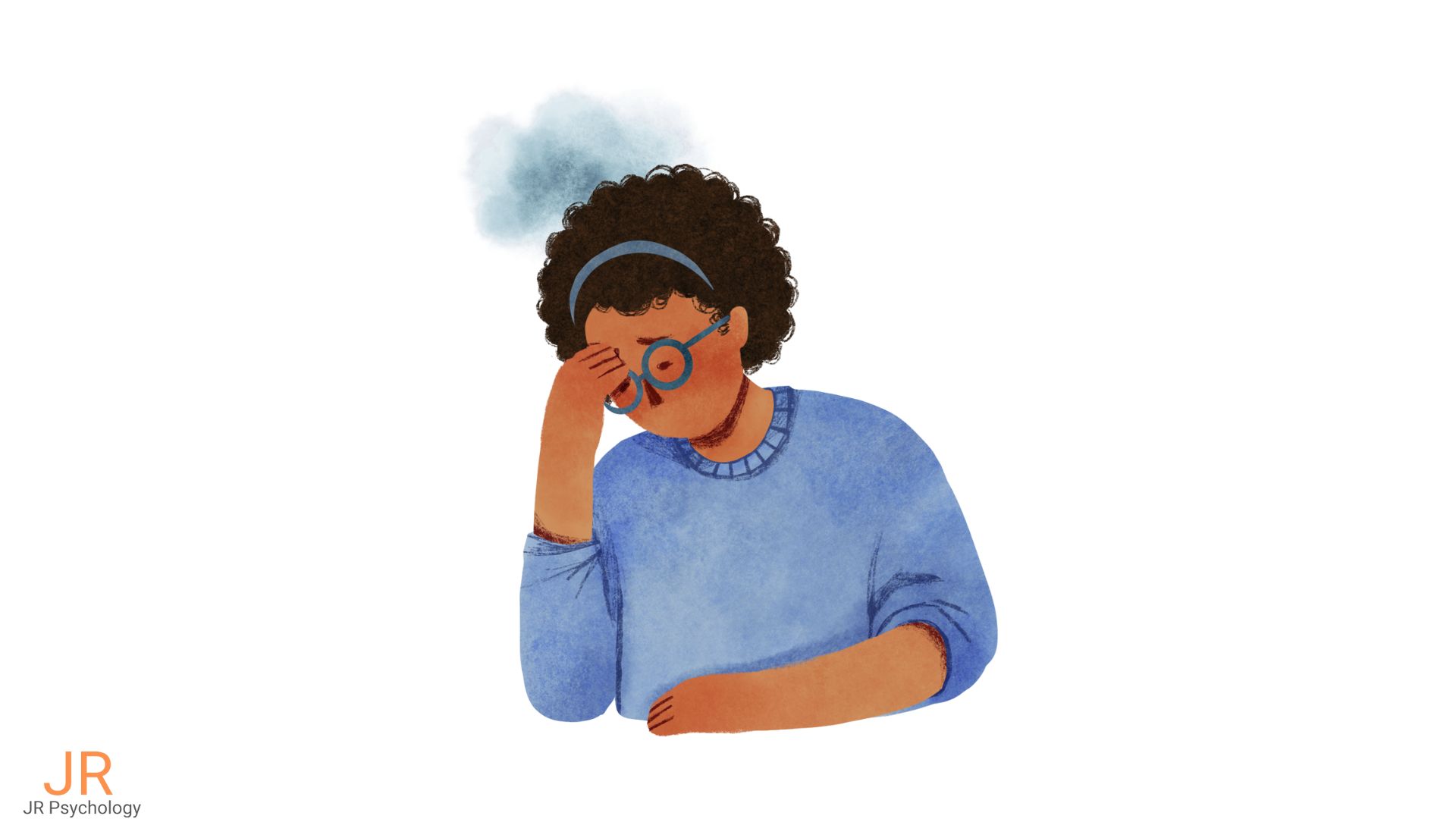
Children with anxiety may exhibit a range of emotional and physical symptoms. Emotionally, they may cry often, show reluctance to attend school, or exhibit fear in social situations. Physically, symptoms can include shaking, shortness of breath, and a rapid heartbeat.
Types of Anxiety Disorders
Several types of anxiety disorders can affect children, including Generalized Anxiety Disorder (GAD), Panic Disorder, and Separation Anxiety Disorder. GAD, for instance, involves excessive worry about various issues such as school performance or family relationships.
Effective Treatments and Interventions
Despite these challenges, there is hope. Tailored cognitive-behavioural therapy (CBT) interventions, such as the “Coping Cat” program, have shown significant improvements in treating anxiety disorders.
The Role of Parents and Caregivers
Parents and caregivers play a pivotal role in helping children navigate their anxiety. By understanding and recognizing the symptoms, they can seek anxiety treatment Melbourne and support for their children.
Conclusion

Anxiety among young children is a growing concern that requires our collective attention. By staying informed, recognizing the signs, and seeking proper treatment, we can help alleviate the burden of anxiety disorders on our children. Let’s work together to ensure that the joys of childhood are not overshadowed by the specter of anxiety.